

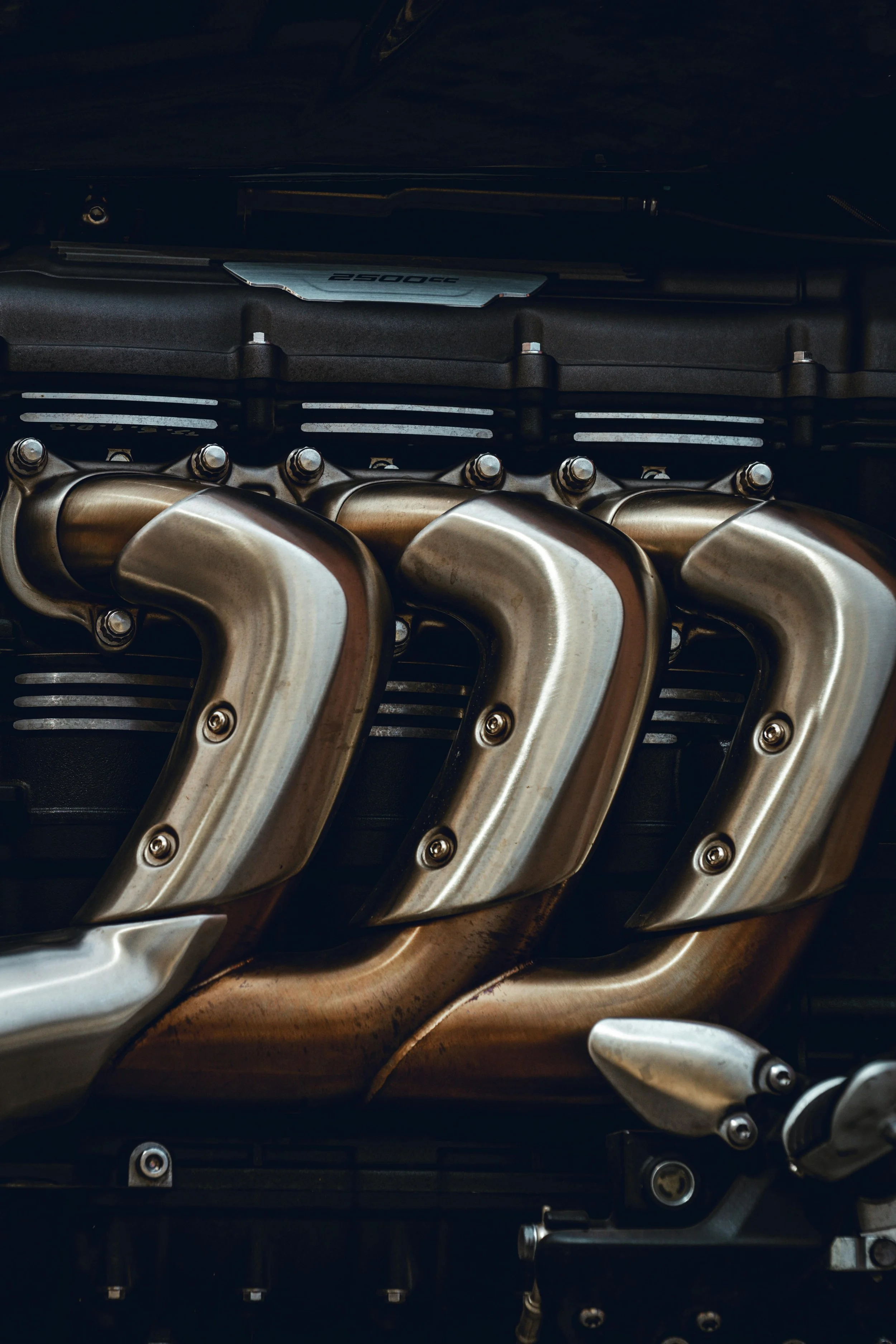
Combustion and Reactions Chapter 7: Multiphase Combustion and Pollutant Formation
Integrated engineering notes on multiphase combustion covering spray combustion, coal combustion, DPM modeling, pollutant formation, NOx mechanisms, radiation effects, and SCR emission-control systems used in industrial CFD simulations.
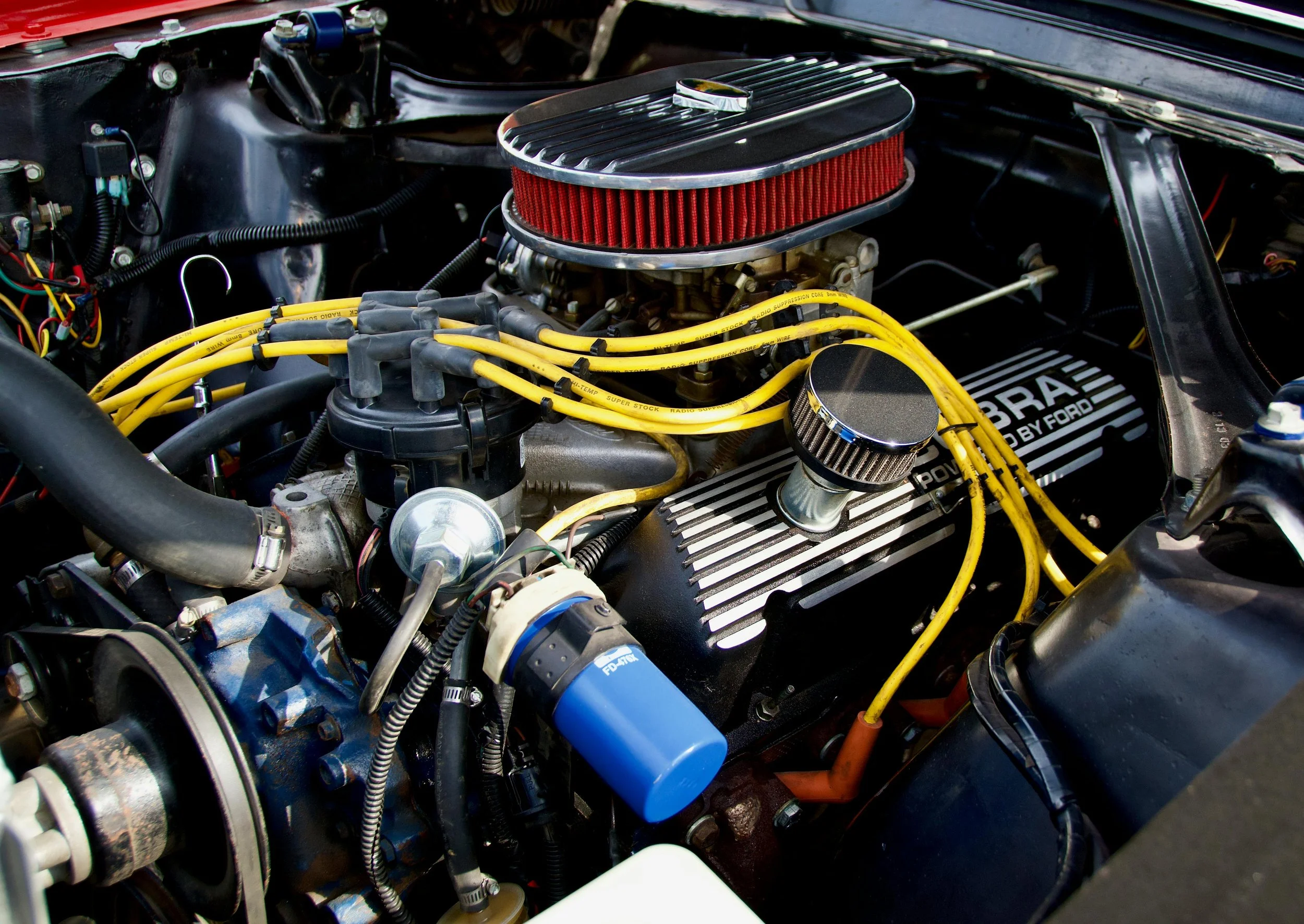
Combustion and Reactions Chapter 6: Turbulent PREMIXED Combustion
Integrated engineering notes on turbulent premixed combustion covering combustion regimes, turbulent flame speed, progress-variable and G-equation models, flame surface density approaches, flamelet-generated manifolds, and swirl-stabilized combustor physics.
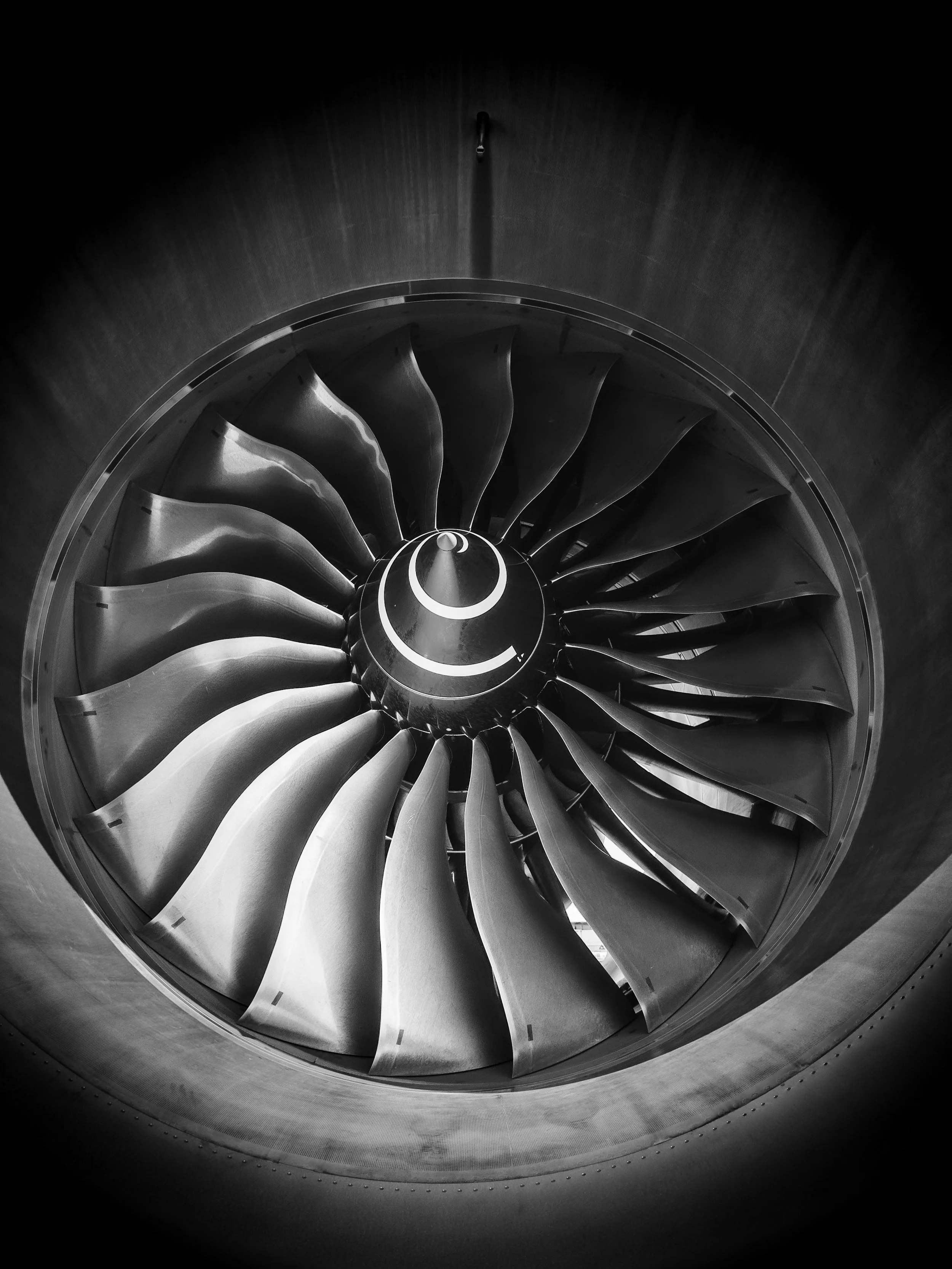
Combustion and Reactions Chapter 5: Turbulent NON-PREMIXED Combustion
Concise study notes on turbulent non-premixed combustion covering mixture fraction modeling, PDF methods, combustion regimes, and practical CFD approaches including equilibrium, EDM, and flamelet models.
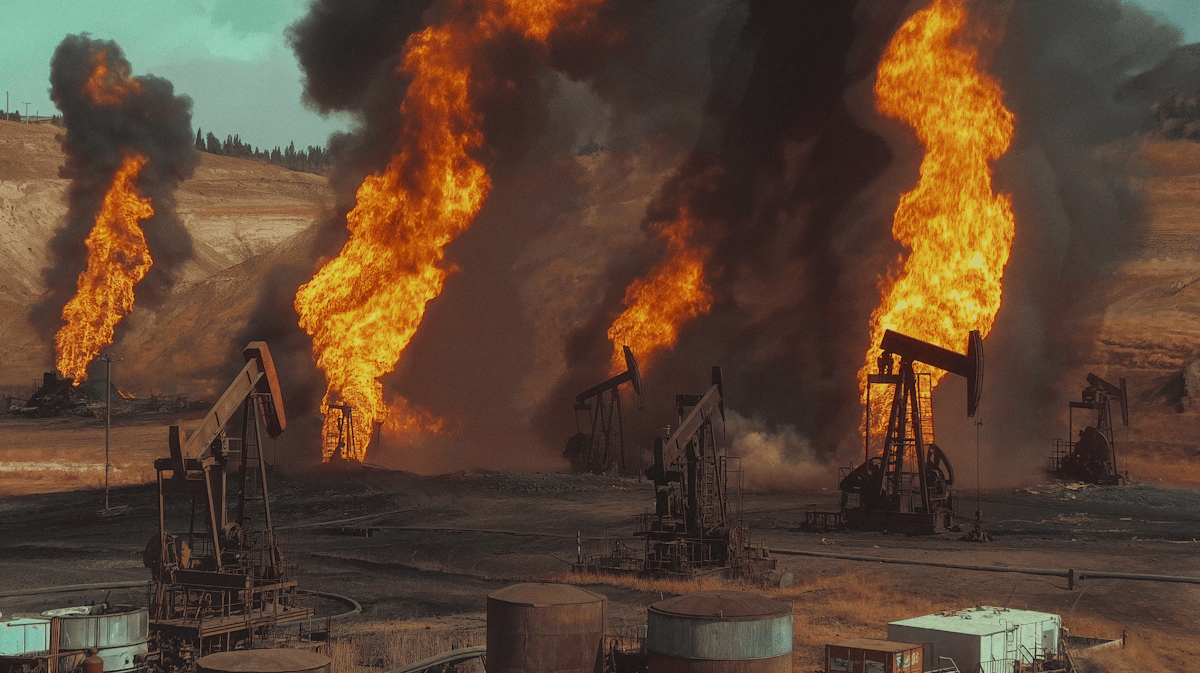
Combustion and Reactions Chapter 4: Turbulent Combustion
Compact engineering notes on turbulent combustion covering turbulence–chemistry interaction, Damköhler regimes, DNS/RANS/LES modeling, Favre averaging, and PDF-based approaches for realistic CFD simulations
Combustion and Reactions Chapter 3: Laminar Non-premixed flames
Clear engineering notes on laminar non-premixed (diffusion) flames, covering mixture fraction theory, flame structure, fast vs finite-rate chemistry, and CFD modeling approaches, with insights from experiments and flamelet concepts.
Combustion and Reactions Chapter 2: Laminar premixed flames
Concise engineering notes on laminar premixed flames and their role in combustion modeling. The chapter explains flame structure, flame speed, combustion regimes, progress variables, and the relationship between chemical kinetics and transport processes. It also introduces CFD modeling strategies for premixed combustion in ANSYS Fluent, including combustion models, detailed chemical mechanisms, CHEMKIN integration, and chemistry acceleration techniques used to handle stiff reaction systems

Combustion and Reactions Chapter 1: Chemical Reaction and Transport
Foundational notes on chemical kinetics, thermodynamics, transport, ignition, and characteristic time scales in reacting flows, forming the backbone of combustion modeling.